
Blog
Exercises for Rounded Shoulders: 7 Moves to Fix Posture
Fix rounded shoulders with targeted corrective exercises and stretches. Learn proper form, programming routines, and daily ergonomic adjustments.

The most effective exercises for rounded shoulders combine anterior chest lengthening with posterior scapular stabilization to pull your humerus back into neutral alignment. Choosing the right movements depends on whether your restriction stems primarily from shortened pectoral muscles or dormant upper back stabilizers. Corrective exercises target both sides of this postural imbalance, helping you restore shoulder biomechanics according to guidelines from the National Academy of Sports Medicine.
Why Shoulders Roll Forward: The Muscle Imbalance Mechanics
Rounded shoulders occur when chronic forward posture shortens anterior tissues and lengthens posterior stabilizers beyond their optimal resting tension. Prolonged sitting, typing, and driving hold the glenohumeral joint in internal rotation. Over time, adaptive shortening anchors the shoulder girdle forward, as detailed in research cataloged on PubMed.
This mechanical imbalance centers around the scapulothoracic articulation. When anterior muscles tighten, they pull the shoulder blades out of their natural depression and retraction against the ribcage.
- Pectoralis minor shortening: Pulls the coracoid process anteriorly and inferiorly, causing anterior scapular tilt.
- Pectoralis major tightness: Draws the humerus into excessive internal rotation across the chest.
- Inhibited rhomboids: Weakness prevents efficient adduction of the scapulae toward the thoracic spine.
- Underactive lower trapezius: Fails to depress the scapulae, allowing upper traps to dominate and shrug upward.
Simply pulling your shoulders back through conscious effort fails because reciprocal inhibition keeps posterior muscles mechanically disadvantaged. You must release anterior restrictions before strengthening the posterior chain.

Anterior Stretches to Open Tight Chest and Shoulder Tissues
Lengthening the anterior chest creates the physical space required for your scapular stabilizers to retract fully. Without adequate anterior tissue extensibility, corrective pulling movements merely strain the anterior joint capsule. Incorporating these stretches alongside essential bodyweight exercises establishes reliable postural symmetry.
Targeting both heads of the pectorals requires adjusting elbow angles and controlling spinal position throughout the stretch.
- Doorway Pec Stretch: Stand inside an open doorframe. Position one forearm flat against the jamb with your elbow bent at 90 degrees. Step forward gently with your inside foot until you feel tension across the pec major. Hold for 30 to 45 seconds, switch to a 120-degree arm angle to target the pectoralis minor, and repeat twice per side.
- Prone Thoracic Opener: Lie facedown on an exercise mat with arms extended at your sides in a T-shape. Press your left palm into the floor to roll your torso onto your right side, opening the right anterior shoulder. Hold for 30 seconds without forcing lumbar rotation, then alternate sides.
- Foam Roller Chest Expansion: Lie lengthwise along a 36-inch foam roller so your head and tailbone are supported. Open your arms out wide into a T or goalpost position with palms up. Allow gravity to draw your elbows toward the floor for 60 seconds while taking deep diaphragmatic breaths.
- Bilateral Corner Stretch: Stand facing an interior corner roughly 2 feet away. Place forearms on opposing walls at shoulder height. Lean your body weight inward with a braced core until you feel a bilateral anterior stretch, holding steady for 40 seconds.
During every stretch, avoid hyperextending your lower back to fake greater mobility. The Mayo Clinic recommends static stretching held without bouncing to safely downregulate hypertonic connective tissue.
Scapular Stabilizer Strengthening: 5 Essential Posterior Moves
Strengthening the scapular retractors and depressors rebuilds the muscular endurance needed to maintain upright posture against gravity all day. Building an effective routine is simple once you master these posterior chain builders.
remove, or list and describe the five targeted exercises
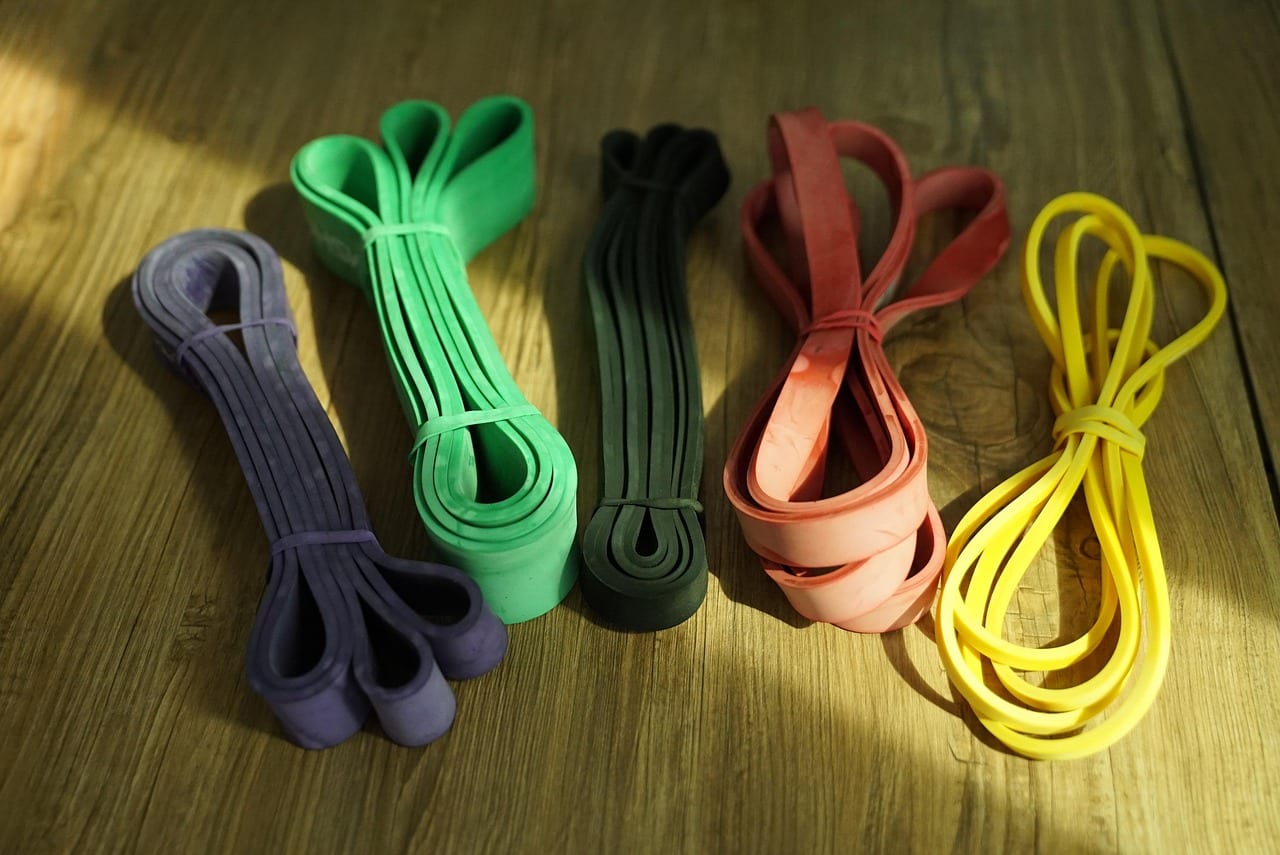
- Resistance Band Pull-Apart: Grip a light resistance band with hands shoulder-width apart at chest height. Keep elbows straight with a soft lockout. Pull the band apart by squeezing your shoulder blades together until the band touches your sternum. Pause for 2 seconds in full retraction, then return under control for 3 sets of 15 reps.
- Prone Y-T-W Raises: Lie face down on a mat with your forehead resting on a folded towel. Form a Y shape with arms overhead and thumbs pointing up; lift your hands 2 to 3 inches by squeezing your lower traps. Transition into a T position for the mid traps, then bend elbows into a W to load external rotators. Complete 2 sets of 8 reps per position.
- Wall Angels: Stand with your heels, glutes, upper back, and occiput flat against a smooth wall. Raise arms into a goalpost position, attempting to keep wrists and elbows touching the drywall. Slide arms upward 6 to 10 inches without arching your lower back, then pull downward into depression. Perform 3 sets of 10 controlled reps.
- Face Pull with External Rotation: Set a cable pulley or resistance band at eye height. Grasp the rope attachment with an overhand grip. Pull toward your nose while actively rotating your wrists backward so your knuckles face behind you at peak contraction. Squeeze your rear delts and infraspinatus for 3 sets of 12 reps.
- Scapular Retraction Push-Ups: Begin in a standard high plank position with your core locked. Keeping elbows completely locked straight, pinch your shoulder blades together to sink your chest 1 to 2 inches. Push the floor away to spread your shoulder blades apart into protraction. Execute 3 sets of 12 reps to build serratus anterior control.
If you are balancing these corrective drills with overall strength goals, organizing them inside a custom workout plan prevents overtraining your rotator cuff while managing total weekly pulling volume.
Execution Cues and Common Technical Errors to Avoid
Corrective exercise fails when compensation patterns allow strong, dominant muscles to hijack movements meant for dormant stabilizers. The goal is precise neuromuscular re-education, not lifting maximum resistance. Guidelines from the American Council on Exercise emphasize strict control over load when addressing postural faults.
Mastering specific internal cues helps you bypass the common errors that keep shoulders rolling forward.
- Cervical spine extension: Keep your chin tucked toward your throat like holding an egg. Craning your neck upward creates instant neck tension.
- Lumbar hyperextension: Brace your abdominals and squeeze your glutes during all standing and prone pulls to stop your lower back from arching.
- Upper trap shrugging: Intentionally drive your shoulder blades downward toward your back pockets before initiating any horizontal pull.
- Rushing the eccentric phase: Take a full 3-second eccentric return on every rep to build postural endurance in lengthened states.
Watch your form in a mirror or record a set from the side. If you see your collarbones hike toward your ears during band pull-aparts, decrease band tension immediately.
Corrective Routine Programming: Sets, Reps, and Frequency
Postural endurance requires consistent exposure rather than occasional high-intensity training sessions. Scapular stabilizers consist largely of Type I slow-twitch muscle fibers, which thrive on frequent, submaximal stimulation. When learning how to start fitness routine habits, consistency beats intensity every time.
| Exercise | Target Muscle | Sets & Reps | Rest & Tempo |
|---|---|---|---|
| Doorway Pec Stretch | Pectoralis minor & major | 2 sets x 45 sec | None, static hold |
| Band Pull-Apart | Rhomboids & rear delts | 3 sets x 15 reps | 45s rest, 2-1-2 tempo |
| Prone Y-T-W | Lower & mid trapezius | 2 sets x 8 reps each | 60s rest, 2-2-1 tempo |
| Wall Angels | Scapular depressors | 3 sets x 10 reps | 30s rest, 3-1-3 tempo |
| Face Pulls | External rotators | 3 sets x 12 reps | 45s rest, 2-1-2 tempo |
Perform this sequence 4 to 5 days per week. Because none of these movements generate severe mechanical damage or central fatigue, you can run this protocol as a standalone 15-minute routine or as a warm-up before upper-body workouts.

Workplace Ergonomics and Daily Habit Modifications
Even the most diligent corrective routine cannot overcome eight consecutive hours of slumped sitting. Corrective exercise creates neuromuscular capacity, but daily habits dictate your resting joint positions. Workplace standards from the Occupational Safety and Health Administration demonstrate that workstation configuration directly impacts musculoskeletal health.
Implementing small environmental modifications prevents your body from slipping back into anterior internal rotation between workout sessions.
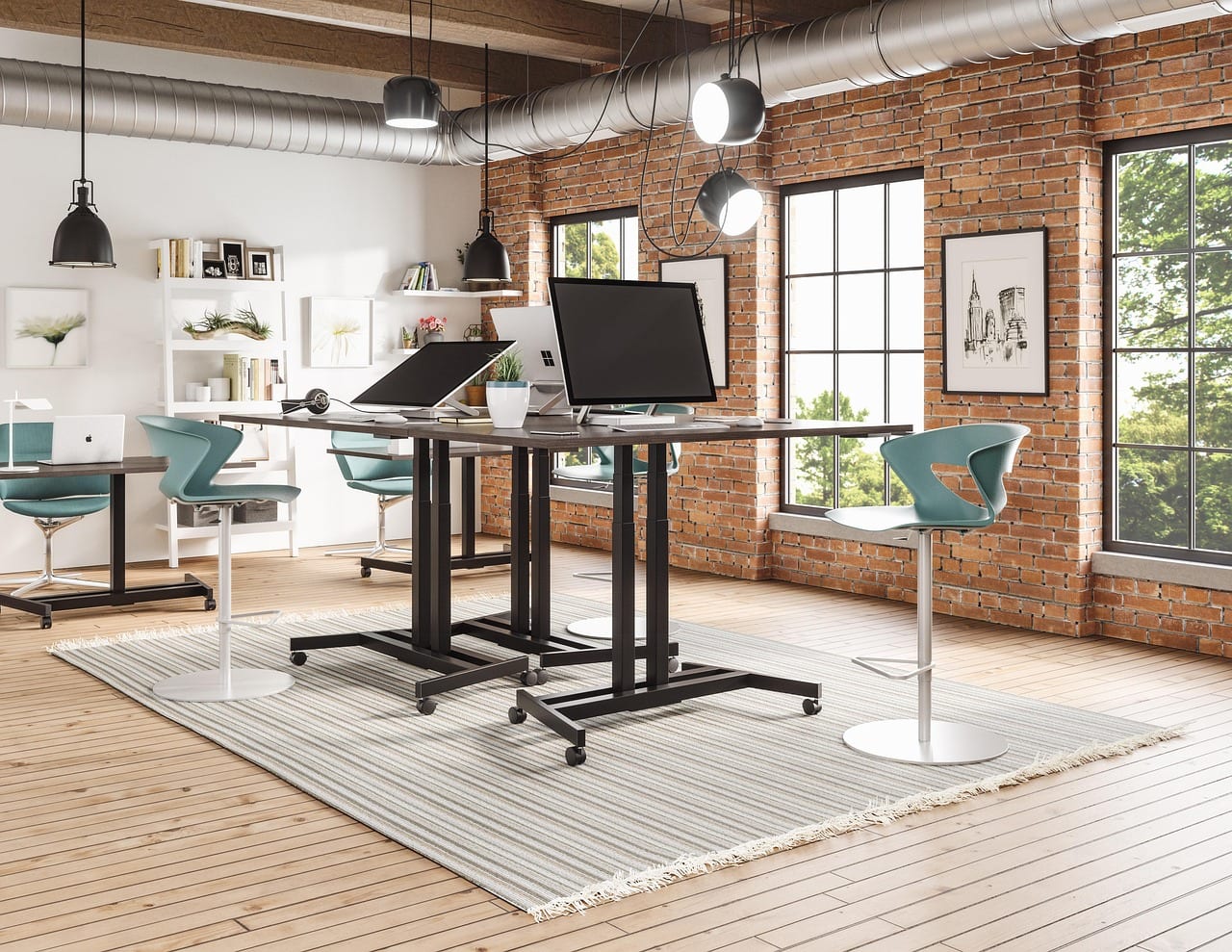
- Monitor elevation: Position the top third of your display screen directly at eye level to keep your cervical spine vertical.
- Elbow support: Adjust chair armrests so forearms rest parallel to the desk surface with elbows bent at 90 to 100 degrees.
- Micro-break cadence: Set a repeating timer every 45 minutes to stand, perform five scapular pinches, and take three deep diaphragmatic breaths.
- Steering wheel hand position: Drive with hands at the 9 and 3 o'clock positions rather than resting one arm atop the wheel.
For tailored workout progression that automatically balances pressing movements with posterior chain volume, consider tracking your training with Fitnix. Its adaptive algorithms ensure your training program actively supports posture rather than reinforcing imbalances.
Frequently Asked Questions
How long does it take to fix rounded shoulders?
Can bench pressing make rounded shoulders worse?
Do posture corrector braces help fix rounded shoulders?
Can I do rounded shoulder exercises every day?
Sources & References
- National Academy of Sports Medicine — Evidence-based strategies for identifying and correcting upper crossed syndrome and muscle imbalances.
- PubMed Central — Peer-reviewed biomechanical studies on pectoralis minor length, scapular kinematics, and forward shoulder posture.
- Mayo Clinic — Clinical guidelines on safe stretching mechanics, joint flexibility, and musculoskeletal posture maintenance.
- American Council on Exercise — Practical exercise protocols and coaching cues for shoulder stability and thoracic spine mobility.
- Occupational Safety and Health Administration — Workstation ergonomics evaluation tools and computer workstation configuration standards.