
Blog
The Best Pre-Workout Meal Ideas to Fuel Your Session
Discover the best pre-workout meal and snack ideas to maximize gym performance. Learn exact timing, macro ratios, and what foods to avoid.

The Best Pre-Workout Meal Ideas to Fuel Your Session
Dial in your digestion timing, nutrient breakdown, and food choices to crush every rep and sprint.
Selecting the best pre-workout meal depends entirely on your digestive window, training intensity, and how quickly your digestive system converts nutrients into usable cellular fuel. Guidance from the Academy of Nutrition and Dietetics emphasizes that properly structured pre-exercise fuel stabilizes blood sugar and preserves lean muscle.
Macro Rules: How Carbs, Protein, and Fat Dictate Performance
The primary objective of pre-training nutrition is maximizing available glycogen while keeping your gastrointestinal tract light and settled. Joint sports nutrition guidelines from the American College of Sports Medicine outline how specific macronutrient ratios directly govern exercise endurance and muscular recovery.
Carbohydrates are your metabolic priority for intense training. When you perform heavy resistance sets or sprints, your body relies on intracellular glycogen to generate energy rapidly. Ingesting readily accessible starches preserves your liver glycogen stores and keeps circulating blood glucose steady.
Protein provides circulating amino acids before you lift the first weight. A moderate intake reduces markers of muscle breakdown during strenuous exercise. However, excessive portions can burden the stomach, so keep pre-workout servings focused on lean, fast-assimilating sources.
Dietary fat and dietary fiber are critical nutrients across your daily diet, but they sabotage pre-exercise digestion. Both significantly delay gastric emptying, which forces your stomach to compete with skeletal muscles for systemic blood flow during hard efforts.
- High carbohydrate ratio: 60% to 70% of total pre-workout meal calories should derive from easily metabolized starches.
- Moderate lean protein: Aim for 0.15 to 0.25 grams per pound of body weight to elevate circulating amino acids.
- Low total fat content: Cap dietary fat below 10 grams in the final hours before heavy physical exertion.
- Controlled dietary fiber: Keep fiber under 5 grams to ensure smooth, unencumbered digestive clearance.
Timing Windows: How Far in Advance Should You Fuel?
Your feeding schedule dictates both your total caloric volume and the glycemic complexity of the foods you choose. Research published in the National Library of Medicine demonstrates that digestion rates drop significantly during physical exertion as blood diverts outward to working muscles.
A window of 2 to 3 hours allows your gastrointestinal tract ample time to break down complex starches and complete proteins. This timeline gives you full energetic benefits without retaining bulky food mass in your stomach when executing a custom workout plan.
A shorter window of 30 to 60 minutes demands rapid-absorbing, low-residue simple carbohydrates. Heavy proteins or fibrous vegetables eaten within this timeframe linger undigested, frequently causing nausea, reflux, and premature side stitches.
| Timing Window | Target Calories | Primary Macro Focus | Digestion Speed | Ideal Food Texture |
|---|---|---|---|---|
| 2 to 3 Hours Out | 400 - 600 kcal | Complex Carbs + Lean Protein | Slow to Moderate | Solid whole foods (chicken, rice, oats) |
| 60 to 90 Minutes Out | 250 - 350 kcal | Light Carbs + Easy Protein | Moderate to Rapid | Soft foods (smoothies, yogurt, toast) |
| 30 to 60 Minutes Out | 100 - 200 kcal | Simple Carbs (Low Fiber/Fat) | Very Rapid | Quick carbs (bananas, dates, rice cakes) |
- Three hours prior: Solid whole foods with moderate moisture to maximize steady nutrient absorption.
- One hour prior: Semi-solid or blended carbohydrates to minimize required mechanical digestion.
- Thirty minutes prior: Simple mono- and disaccharides that convert rapidly into active bloodstream glucose.
Substantial Meals to Eat 2 to 3 Hours Before Training
When you have several hours before training, build a balanced meal featuring 40 to 65 grams of complex carbohydrates and 20 to 30 grams of lean protein. Evidence from the Harvard T.H. Chan School of Public Health highlights how slow-digesting starches maintain stable blood sugar levels without sudden insulin spikes.

- Rolled oats with whey protein and berries: Cook 1/2 cup of rolled oats with water, stir in 1 scoop of vanilla whey isolate after cooking, and top with 1/2 cup of blueberries for antioxidants.
- Grilled chicken breast with jasmine rice: Combine 4 to 5 ounces of skinless chicken breast with 1 cup of steamed white or jasmine rice and half a cup of peeled, steamed zucchini.
- Egg white omelet on sourdough toast: Whisk 4 egg whites with 1 whole egg, scramble lightly, and serve over 2 slices of toasted sourdough with a light smear of ripe avocado.
Each of these meals delivers high nutrient density without burdening digestive transit. You gain continuous energy delivery while ensuring amino acids remain present in blood plasma as you initiate training.
- Baked sweet potato with ground turkey: Pair 150 grams of roasted sweet potato cubes with 4 ounces of 93% lean ground turkey seasoned with salt, cumin, and oregano.
- Low-fat Greek yogurt parfait: Layer 1 cup of plain non-fat Greek yogurt with 1/3 cup of low-fat granola and a sliced ripe banana for dual-speed carbohydrate release.
Fast-Acting Snacks to Eat 30 to 60 Minutes Before Training
If you train early in the morning or head straight to the gym after work, choose snacks packing 25 to 40 grams of fast-digesting carbohydrates. Nutrition specialists at the Mayo Clinic recommend choosing low-residue foods that enter the bloodstream with minimal gastrointestinal resistance.
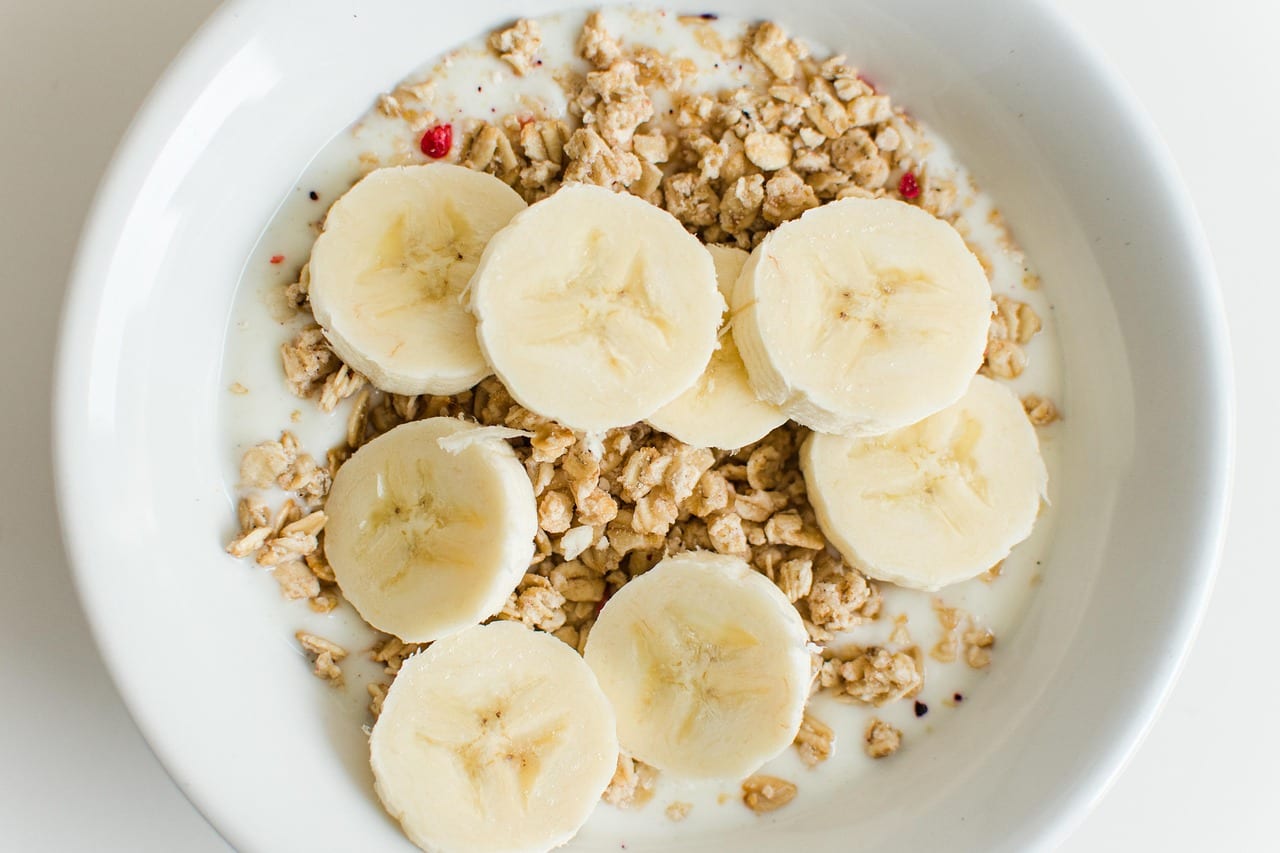
- Ripe banana with honey: One medium banana drizzled with one teaspoon of raw honey provides roughly 32 grams of easily absorbed carbohydrates.
- Rice cakes with a thin layer of jam: Two plain white rice cakes topped with a tablespoon of strawberry fruit spread deliver light, crunchable glycogen fuel.
- Medjool dates with sea salt: Two pitted Medjool dates sprinkled with flaky sea salt provide glucose, fructose, and essential sodium for muscular contractions.
These quick snacks protect your stamina even during challenging bodyweight circuits like essential bodyweight exercises. They digest fast enough to keep your stomach completely settled.
- Applesauce pouch with half-scoop whey: One unsweetened applesauce pouch paired with 12 grams of whey protein mixed in water delivers rapid carbs and light amino acids.
- White sourdough toast with jelly: One slice of toasted white sourdough bread topped with a tablespoon of grape jelly supplies low-fiber, fast-clearing energy.
Tailoring Your Pre-Workout Plate to Your Workout Style
Cardiovascular endurance and heavy strength training draw on distinct energy pathways, which means your fuel should match your planned training session. The American Council on Exercise highlights that aligning food selection to session demands prevents intra-workout fatigue and muscular exhaustion.
- Heavy resistance training: Prioritize a solid balance of 30 to 45 grams of carbohydrates with 20 grams of protein to minimize muscle breakdown across multi-joint movements.
- High-intensity interval training (HIIT): Focus strictly on rapid-digesting carbohydrates, keeping stomach volume low to prevent nausea during explosive heart-rate spikes.
- Long endurance runs or cycles (60+ minutes): Emphasize higher carbohydrate volumes (50 to 75 grams) to maintain stable muscle glycogen over extended durations.
If you are figuring out how to start fitness routine, test your meals during lower-intensity sessions first. Individual gut tolerance varies, so learning your personal digestive comfort level pays dividends.
Foods to Avoid Before Hitting the Gym
Consuming the wrong foods before training forces your cardiovascular system to divert blood flow toward digestive organs rather than active skeletal muscle. Clinical reviews indexed on PubMed Central indicate that high-fat, high-fiber, and hypertonic meals significantly increase the incidence of exercise-related abdominal pain.
- Greasy and deep-fried dishes: Burgers, fries, and creamy sauces dramatically slow gastric emptying, causing heavy, sluggish feelings.
- Cruciferous vegetables and legumes: Broccoli, cauliflower, cabbage, and lentils produce intestinal gas and painful abdominal distension under physical strain.
- Sugar alcohols and artificial sweeteners: Ingesting sorbitol, xylitol, or erythritol can trigger rapid fluid shifts into the bowel, causing sudden diarrhea.
- Heavily spiced or acidic ingredients: Hot peppers and excessive citrus can cause severe gastroesophageal reflux when intra-abdominal pressure rises.
Even healthy foods like chia seeds, raw kale, and black beans should be shifted to your post-workout meals or rest days to avoid sudden gastrointestinal emergencies.
- Bloating and cramping: Usually triggered by excess dietary fiber or raw cruciferous items eaten too close to training.
- Acid reflux and heartburn: Often provoked by heavy dietary fats, spicy marinades, or high-acidity citrus foods.
- Lethargy and nausea: Directly caused by competitive blood shunting when exercising on an overly full stomach.
Pre-Workout Hydration Rules to Pair with Solid Food
Hydration directly governs nutrient delivery, cellular volume, and thermoregulation during hard training. Even mild dehydration of 2% body mass impairs muscular force generation and accelerates perceived fatigue, according to exercise hydration literature.

- 2 to 3 hours before: Drink 16 to 20 ounces (500 to 600 mL) of water alongside your solid meal to assist enzyme function and breakdown.
- 20 to 30 minutes before: Drink 7 to 10 ounces (200 to 300 mL) of plain water or an electrolyte solution to top off cellular fluid balance.
- Check your urine color: Aim for a pale straw color prior to warming up; dark amber signals acute dehydration.
- Incorporate electrolytes: Add a small pinch of sodium to pre-workout fluids if training in warm conditions or if you sweat heavily.
Avoid chugging massive volumes of water right before lifting, as sloshing fluids trigger uncomfortable stomach pressure. Distribute your fluid consumption steadily across the hours leading up to your session.
- Sip, don't chug: Spaced fluid consumption minimizes stomach distension while maximizing systemic fluid retention.
- Pair sodium with carbs: Trace sodium enhances intestinal glucose absorption through active cellular transport mechanisms.
- Watch beverage temperature: Cool fluids (50°F to 59°F) empty from the stomach faster than hot or room-temperature liquids.
- Limit carbonation: Carbonated seltzers fill the stomach with gas bubbles that provoke burping and premature fullness.
Pairing proper fueling with structured, progressive programming yields the fastest physical gains. If you want intelligent, adaptable routines built directly for your goals and equipment, an AI-driven personal trainer like Fitnix automatically adjusts your training volume to match your lifestyle.
What should I eat before a morning workout if I have no time?
Is it bad to work out on an empty stomach?
Can I just drink a protein shake as my pre-workout meal?
How long after eating should I wait before lifting weights?
Sources & References
- Academy of Nutrition and Dietetics — Clinical guidelines on nutrient timing and carbohydrate strategies for athletic performance.
- American College of Sports Medicine — Joint position statements regarding nutrition, hydration, and exercise recovery benchmarks.
- National Library of Medicine — Peer-reviewed studies on gastric emptying dynamics and carbohydrate uptake during exercise.
- Harvard T.H. Chan School of Public Health — In-depth research detailing carbohydrate types, glycemic responses, and long-term energy sustainability.
- Mayo Clinic — Evidence-based recommendations for pre-exercise snacking, hydration, and digestive comfort.
- American Council on Exercise — Practical sports nutrition guidelines tailored to specific exercise modalities and intensity levels.
- PubMed Central — Comprehensive clinical reviews addressing exercise-induced gastrointestinal symptoms and prevention strategies.