
Blog
Create an Effective 4-Week AI Workout Plan: Step-by-Step
Learn how to build, audit, and follow a 4-week AI workout plan. Master prompt engineering, progressive overload, RPE targets, and weekly recalibration.

Building Your First 4-Week AI Workout Plan
A practitioner's blueprint for generating, auditing, and executing progressive training cycles using artificial intelligence.
Generating a functional 4 week ai workout plan takes under ten minutes when you supply the right structural constraints. Artificial intelligence tools understand biomechanics, but they frequently misjudge cumulative joint fatigue. You can solve this by providing strict parameters that force realistic recovery intervals.
How AI Structures a 4-Week Training Mesocycle
A 4-week block represents a single mesocycle, which is a dedicated training phase targeting specific neuromuscular adaptations. Without explicit guidance, generic language models output disjointed daily workouts rather than a cohesive 28-day progression.
To build an effective routine, you must establish your split first. You should align your frequency with the CDC physical activity guidelines to ensure adequate cardiovascular and muscular stimulation. If you are uncertain about baseline volume, explore how to start a fitness routine before programming heavy compound lifts.
- Full Body (3 Days/Week): Ideal for novices; distributes systemic fatigue across non-consecutive days with 48 hours of recovery between sessions.
- Upper / Lower (4 Days/Week): The gold standard for intermediate lifters; allows higher localized intensity without exhausting stabilizing muscle groups.
- Push / Pull / Legs (3 to 6 Days/Week): Excellent for muscle hypertrophy; isolates distinct kinetic chains to maximize localized mechanical tension.
The National Strength and Conditioning Association emphasizes that periodization must balance volume and intensity. AI models naturally excel at this math when constrained by explicit volume caps.
| Training Week | Primary Objective | Target RPE | Volume Modifier | Progression Strategy |
|---|---|---|---|---|
| Week 1: Baseline | Movement acclimation and benchmark weights | RPE 6–7 | Base volume (10–12 sets/muscle) | Establish baseline loads with 3 RIR |
| Week 2: Accumulation | Progressive overload via rep accumulation | RPE 7–8 | Base volume + 10% total reps | Add 1–2 reps per working set |
| Week 3: Intensification | Peak mechanical tension and load increase | RPE 8–9 | Base volume + 2.5% to 5% weight | Increase load; maintain set integrity |
| Week 4: Consolidation | Fatigue reduction or performance realization | RPE 6 or RPE 9 | Volume reduction (-40%) or test | Active deload or testing personal bests |

The Master Prompt: Essential Inputs for Plan Generation
Vague prompts produce useless workout routines. If you ask an AI model for a generic month-long plan, it defaults to high-rep bodybuilding templates packed with redundant isolation exercises.
According to the OpenAI Prompt Engineering Guide, specifying output schemas and negative constraints drastically reduces hallucinations. Treat the AI like a strength coach who has never seen you move.
- Training Age: Distinguish between absolute beginner (< 6 months), intermediate (1–3 years), or advanced lifter (3+ years).
- Weekly Frequency and Time: Exact days available and hard session caps (e.g., 4 days, exactly 45 minutes per workout).
- Hardware Inventory: A granular equipment list, such as a power rack, adjustable bench, and dumbbells up to 50 lbs.
- Biomechanical Restrictions: Explicit injury notes (e.g., 'patellar tendinitis; avoid deep knee flexion under forward shear').
- Progression Mechanism: Mandate Rate of Perceived Exertion (RPE) and reps-in-reserve targets rather than static percentages.
If you need a dedicated framework before prompting, consult this guide to building a custom workout plan to establish your baseline volume targets. Use the structured prompt template below to run your generation.
- Lock exercise selection: Instruct the model to maintain identical core movements across all 4 weeks to track strength changes accurately.
- Cap total working sets: Limit daily working sets to between 14 and 18 sets to prevent excessive peripheral fatigue.
- Require rest times: Force the prompt to specify recovery windows (90–180 seconds) to enforce proper energy system replenishment.
Week-by-Week Progression: From Baseline to Peak Overload
Systematic adaptation requires progressive overload, which means systematically escalating mechanical demand over time. Peer-reviewed research in Frontiers in Physiology shows that managing fatigue through intentional progression creates superior muscular adaptation compared to training to failure constantly.
The American College of Sports Medicine recommends adjusting resistance by 2% to 10% when the target rep threshold is met. Your four-week block must apply this progression methodically.
- Week 1 (Acclimation): Focus on movement quality and establishing base loads at RPE 6 to 7 (leaving 3 to 4 reps in reserve).
- Week 2 (Volume Accumulation): Keep external weight steady while adding 1 to 2 reps per set or adding a single set to primary compound lifts.
- Week 3 (Load Intensification): Increase resistance by 2.5% to 5% on compound lifts while dropping target reps slightly to maintain RPE 8 to 9.
- Week 4 (Deload or Realization): Beginners should reduce total sets by 30% to 50% to clear accumulated fatigue before starting their next training cycle.
Understanding the Rating of Perceived Exertion scale ensures you do not mistake speed for intensity. If you train at home without heavy weights, check out these essential bodyweight exercises to see how tempo adjustments stimulate muscle growth.
Fatigue masks fitness. You cannot express the strength and muscle tissue you have built during a mesocycle until you manage cumulative systemic fatigue.
Auditing AI Workout Routines for Balance and Safety
A human coach must always review AI workout plans before you touch a barbell. Language models lack proprioception and regularly pair high-risk exercises that overtax stabilizing musculature.
The linked study ('Effects of Resistance Training Frequency on Measures of Muscle Hypertrophy') examines training frequency per week, not weekly set volume thresholds. Either update the text to discuss training frequency or link to appropriate volume research. Watch out for these common AI programming errors:
- Spinal Loading Stacking: Programming heavy barbell squats directly after Romanian deadlifts places severe fatigue on the erector spinae.
- Push-to-Pull Discrepancies: Generating excess pressing movements (bench press, overhead press) while omitting horizontal and vertical pulling.
- Redundant Movement Angles: Combining flat barbell bench press, flat dumbbell bench press, and machine chest press in a single session.
- Hallucinated Superset Pairings: Pairing grip-intensive exercises together, such as Romanian deadlifts immediately followed by heavy pull-ups.
PMID 28834797 ('Dose-response relationship between weekly resistance training volume and increases in muscle mass') investigates weekly set volume, not movement planes or structural balance. Revise the claim to accurately reflect the study's findings on weekly set counts, or cite appropriate exercise selection literature. Verify your generated plan against this fundamental movement checklist:
- Knee Flexion & Extension: Squat variations and leg curls balanced across lower-body days.
- Hip Hinge: Romanian deadlifts, hip thrusts, or kettlebell swings to target posterior chains.
- Horizontal Press & Pull: Balanced ratios of chest presses to chest-supported barbell or dumbbell rows.
- Vertical Press & Pull: Overhead presses balanced with pull-ups or lat pulldowns.
Iterative Weekly Adjustments Using AI Feedback Loops
A training routine is a dynamic working hypothesis, not a static contract. Missed sessions, joint aches, and poor sleep will inevitably disrupt your scheduled progress.
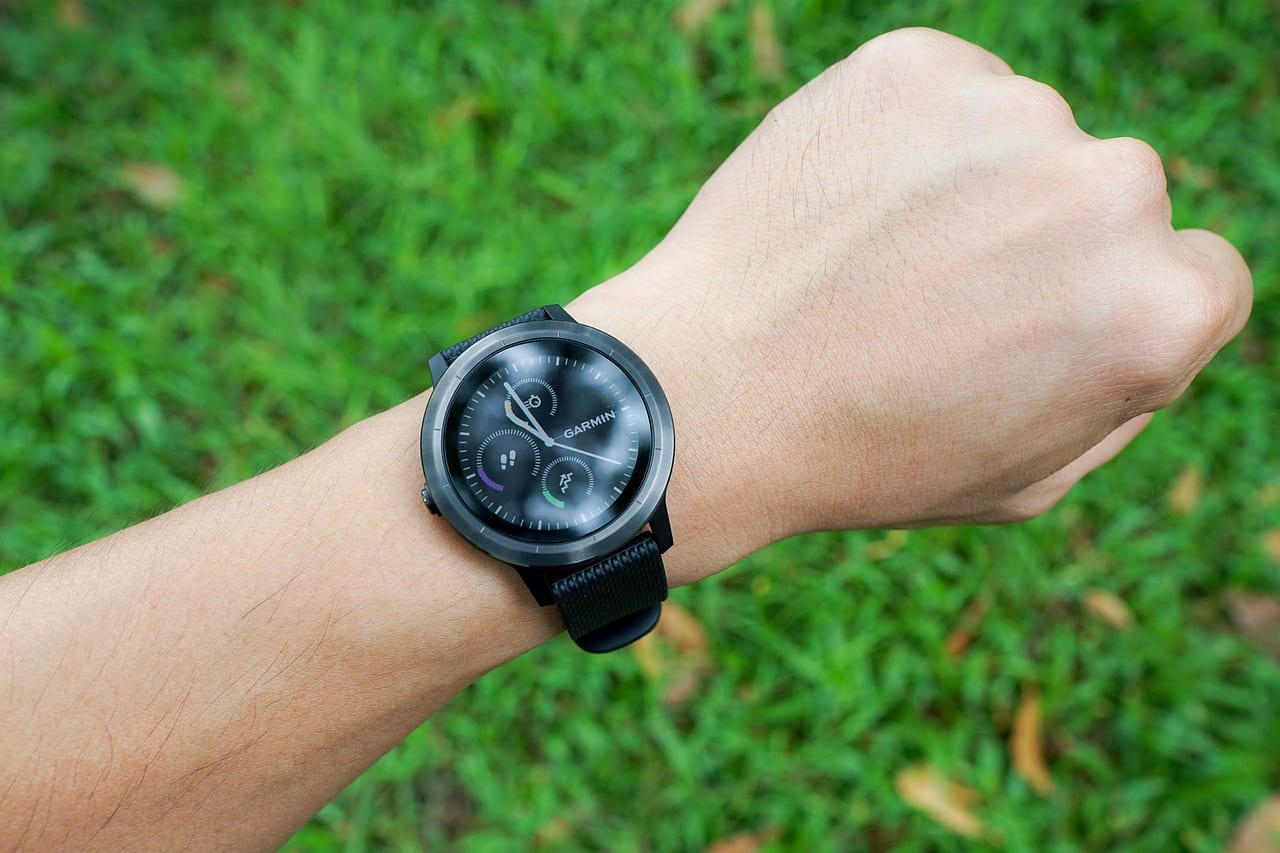
Instead of abandoning the program when life intervenes, feed your real performance data back into the AI. Hardware wearables track heart rate patterns and recovery signals, but your barbell performance remains the most practical metric for strength adjustments.
- When Target Reps Are Exceeded: 'I hit 12 reps on my final squat set instead of the target 8 at RPE 7. Recalibrate Week 2 and Week 3 loads accordingly.'
- When Joint Discomfort Appears: 'My right anterior shoulder developed sharp discomfort during overhead presses. Swap overhead pressing with a neutral-grip dumbbell variation.'
- When Workouts Are Missed: 'I missed Day 3 (Lower Body) due to travel. Restructure the remaining 2 weeks to preserve lower-body volume without scheduling back-to-back leg sessions.'
If managing complex chat prompts and volume calculations feels tedious, dedicated platforms streamline this process. For example, Fitnix automates 4-week mesocycle architecture, making real-time adjustments based on your logged performance without requiring custom prompt engineering.
Can AI accurately design a workout routine for beginners?
What is the biggest mistake people make with AI-generated workouts?
How do I know when I should take a deload in Week 4?
Can I use an AI workout plan if I only have bodyweight and resistance bands?
Sources & References
- CDC Physical Activity Guidelines — Federal baseline guidelines for adult cardiovascular and muscular health.
- NSCA Periodization Principles — Standards for mesocycle structure and training load progression.
- OpenAI Prompt Engineering Guide — Documentation detailing parameters, constraints, and structuring techniques for LLM generation.
- Frontiers in Physiology — Peer-reviewed exercise physiology research on neuromuscular adaptation and fatigue management.
- ACSM Physical Activity Guidelines — Clinical guidance on resistance progression rates and training volume.
- Wikipedia: Rating of Perceived Exertion — Reference for Borg and RPE scales in athletic training.
- Journal of Strength and Conditioning Research — Meta-analysis examining the relationship between training frequency, volume, and hypertrophy.
- PubMed: Schoenfeld Resistance Training Volume Study — Clinical research analyzing dose-response relationships between weekly set volume and muscular gains.